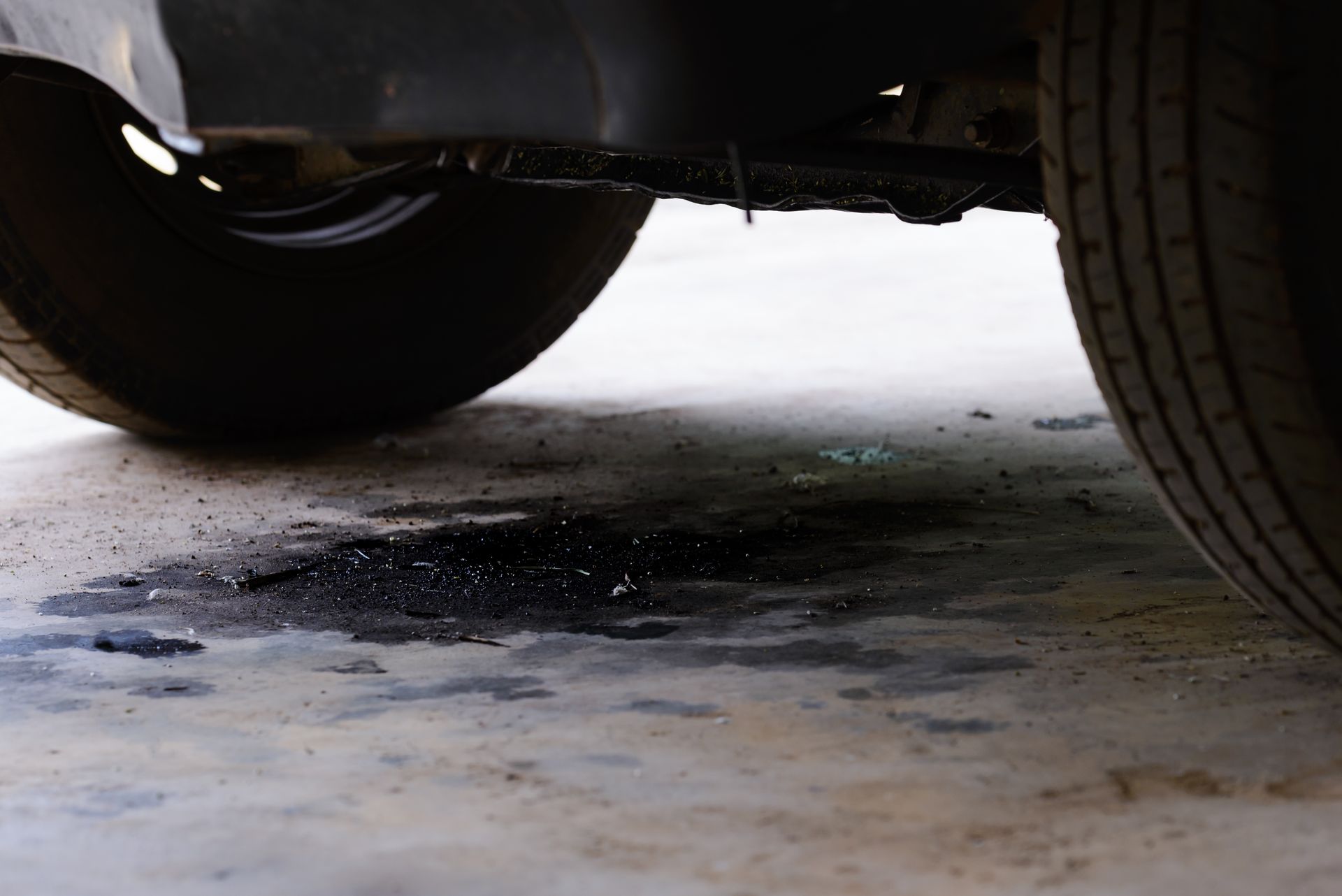
Catalytic converter theft has exploded in recent years, and it is not just a big city problem anymore. Thieves can slide under a vehicle, make a couple of cuts, and disappear with a converter in minutes.
For the owner, that quick crime turns into a loud, undriveable car and a repair bill that can easily reach four figures.
Why Thieves Target Catalytic Converters
Inside every catalytic converter are small amounts of precious metals like platinum, palladium, and rhodium. Scrap buyers pay for those metals, so one stolen converter can be worth quick cash, especially when a thief hits several vehicles in one night. The converters are also relatively exposed under the car, which makes them easier to cut out than other components.
From the thief’s point of view, the combination of high value, quick access, and low risk of being caught on the spot is hard to resist. That is why this type of theft tends to come in waves, often hitting the same neighborhoods or parking lots over and over.
Vehicles Most at Risk for Catalytic Converter Theft
Some vehicles are more appealing targets based on design and popularity. Common high risk examples include:
- Hybrid cars, whose converters often contain more precious metal
- Popular trucks and SUVs with higher ground clearance from the factory
- Vans and work vehicles that sit in one spot overnight or for long periods
- Older vehicles whose converters are easier to access with simple cuts
The higher the vehicle sits, the less a thief needs to jack it up or be noticed while climbing underneath. Fleets, rideshare vehicles, and work vans that follow predictable parking routines are especially tempting because a thief can plan around them.
How Catalytic Converter Theft Usually Happens
Most thefts follow the same basic pattern. Thieves arrive in a second vehicle, often late at night or very early in the morning. One person slides underneath with a cordless saw, cuts the exhaust piping on both sides of the converter, and pulls it free. The entire process can take only a minute or two when they know what they are doing.
Noise from the saw is often masked by distance, background traffic, or the fact that many people simply do not realize what that sound means. By the time anyone goes to check, the thieves are gone and the victim’s car is sitting with an open section of exhaust.
Warning Signs Your Converter Has Been Stolen
Most drivers discover the theft as soon as they start the engine. The exhaust is now exiting through a wide open gap, which makes the vehicle incredibly loud. It often sounds like a race car with open headers, but harsher and right under the floor. In most cases, the check engine light will come on immediately because sensors downstream of the converter are suddenly open to the air.
You might also notice exhaust fumes entering the cabin or the vehicle feeling different under acceleration. A quick look under the car will usually show freshly cut exhaust pipes where the converter used to be. At that point, driving it any distance is not a great idea, both for safety and for avoiding further damage to the exhaust system.
Smart Parking and Daily Habits to Reduce Your Risk
You cannot make a vehicle completely theft proof, but you can make it less attractive than the one next to it. Helpful habits include:
- Parking in well lit, visible areas instead of dark corners of lots
- Choosing spots near building entrances or security cameras when possible
- Backing close to a wall or curb so access to the exhaust is tighter on one side
- Rotating where you park at home or at work so your vehicle is less predictable
We have seen a clear difference between vehicles that are tucked away in dark, quiet corners every night and those that are consistently parked in more visible spots. Thieves prefer the easy, low exposure target whenever they can.
Anti-Theft Devices and Marking Options That Help
There are several hardware options that make life harder for converter thieves. Some owners install steel shields or cages that cover the converter and mount solidly to the frame. Others weld extra bars along the exhaust or add hardened sleeves around vulnerable sections so quick cuts are much more difficult.
You can also have the converter etched or engraved with the vehicle identification number and painted with high visibility, heat resistant paint. That does not stop a determined thief, but it can make the part less attractive to honest scrap buyers and helps law enforcement link stolen parts to specific vehicles. When we talk with drivers about protection, we usually suggest combining physical barriers with smart parking instead of relying on one solution.
What To Do If Your Catalytic Converter Is Stolen
If you suspect your converter has been taken, the safest move is to avoid driving the vehicle and document the situation. Take photos of the cut exhaust, note where and when you last parked, and contact your insurance company to see what your coverage looks like. Many policies handle converter theft under comprehensive coverage, although deductibles vary.
From there, you will need an exhaust inspection and repair plan. We often recommend upgrading security at the same time the new converter is installed, so you are not simply putting an expensive part back in an easy-to-steal position. It is also worth notifying property management or local businesses if the theft happened in a shared lot, so they can review camera footage and warn other drivers.
Protect Your Catalytic Converter in Orlando, Florida with Adler Rennsport
If catalytic converter theft has been a concern in your area, or you have already had a close call, this is a good time to act before you are stuck with a loud, undriveable car. We can inspect your exhaust, discuss shield and anti-theft options that fit your vehicle, and handle converter replacement if you have already been hit.
Schedule catalytic converter theft protection or repair in Orlando, Florida with
Adler Rennsport, and we will help make your car a harder target for the next wave of thieves.